

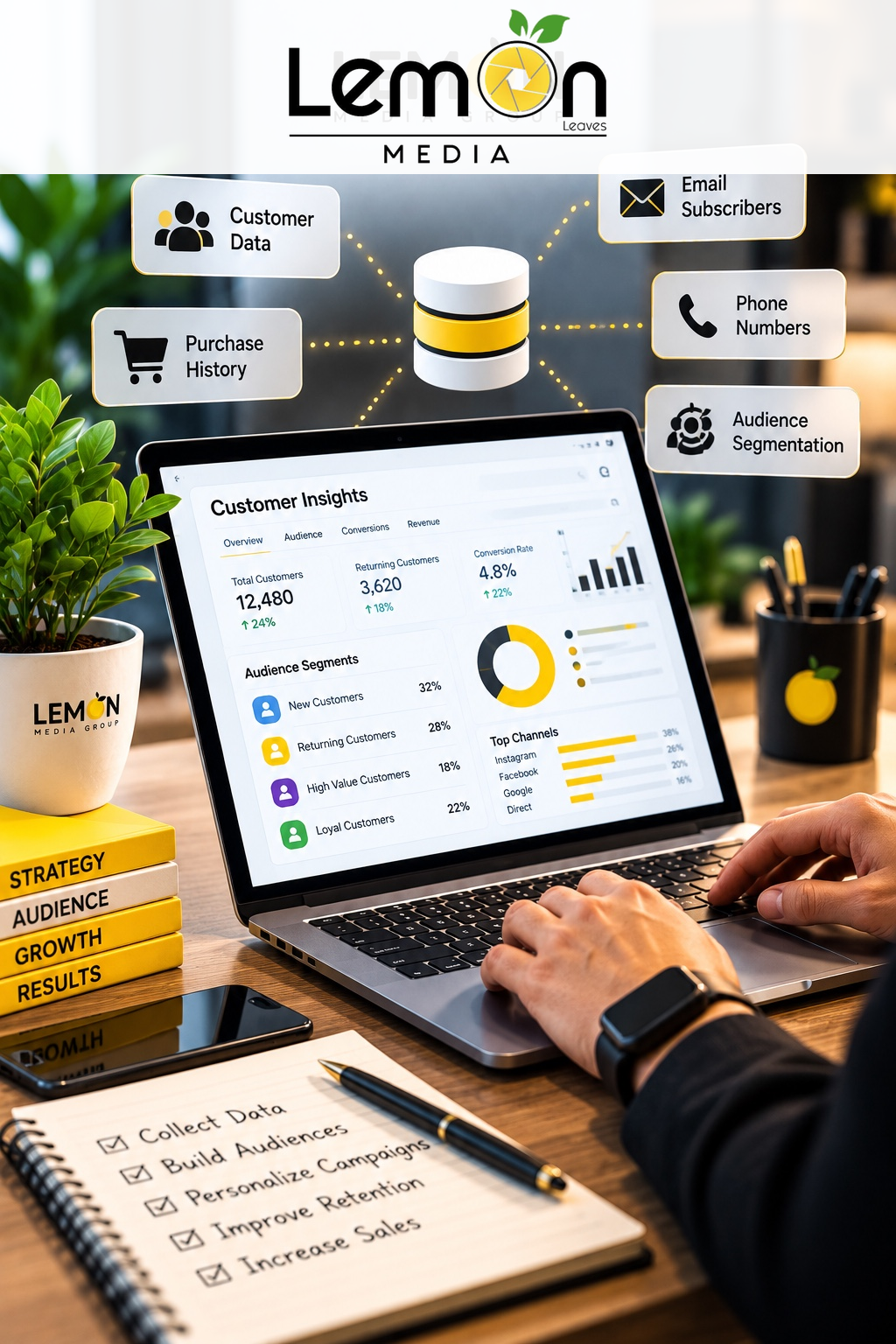
Digital marketing works best when businesses understand the needs and behaviours of the people they serve. First-party data can help make that possible by providing information customers share directly with a business or generate through its own channels. Used responsibly, it supports more relevant communication, better audience planning, and clearer measurement.
What Is First-Party Data?
First-party data is information a business collects directly through its own interactions with customers and prospects. Examples include newsletter subscriptions, purchase history, account preferences, support requests, and website interactions collected through appropriately configured analytics.
It differs from information obtained from external data providers. The source, purpose, quality, and permissions associated with each dataset matter. A business should not assume that having access to data automatically means it can use that data for every marketing purpose.
Why First-Party Data Matters
- Relevance: messages can reflect a customer’s stated interests or previous interactions.
- Segmentation: customers can be grouped by meaningful behaviours or needs rather than broad assumptions.
- Retention: businesses can support repeat purchases and customer education with useful follow-up.
- Measurement: internal sales and customer records can help evaluate whether campaigns contribute to business outcomes.
- Resilience: a well-managed direct customer relationship can reduce overreliance on any single advertising platform.
First-party data is not automatically accurate or valuable. Outdated records, duplicate profiles, unclear permissions, and poor tracking can lead to misleading decisions.
1. Start with a Clear Business Purpose
Before collecting information, decide what business question it will help answer. For example, a retailer may want to understand which product categories lead to repeat purchases, while a service business may want to improve enquiry follow-up.
- Define the intended use of each data field.
- Collect only information that is necessary for that purpose.
- Explain the collection and use of information in clear language.
- Set a retention period and a process for correcting or deleting records where required.
Purpose-led collection reduces unnecessary data handling and makes it easier to explain the value customers receive in return.
2. Choose Useful, Appropriate Data Sources
Businesses can build a practical first-party data foundation from a small number of well-managed sources.
- Website forms: enquiries, newsletter registrations, bookings, and quote requests.
- E-commerce systems: orders, product categories, returns, and customer service history.
- CRM platforms: lead status, follow-up activity, and sales outcomes.
- Customer feedback: surveys, reviews, and support conversations handled with appropriate permissions.
- Analytics tools: aggregated or event-level website interactions configured in line with consent and privacy requirements.
Keep source information and permissions connected to the record. Avoid copying customer lists into disconnected spreadsheets without access controls or a clear reason.
3. Segment Audiences Around Real Needs
Segmentation turns raw records into useful groups. Good segments are based on relevant, reliable signals and should lead to a more helpful customer experience.
- Lifecycle: new lead, first-time customer, repeat customer, or inactive customer.
- Product or service interest: categories a person has explicitly enquired about or purchased.
- Engagement: people who subscribed, attended an event, or interacted with a specific resource.
- Customer needs: preferences volunteered directly by the customer.
Avoid sensitive or intrusive inferences, and do not use protected or sensitive characteristics for inappropriate targeting. Review segments regularly so people do not remain in outdated categories.
4. Connect Data to Your Marketing Workflow
A CRM or customer platform can help connect data to practical actions. For example, an enquiry can be assigned to a team member, followed up within a defined period, and updated with the eventual outcome.
- Use consistent naming for campaigns, lead sources, and customer stages.
- Define who owns each record and the next action.
- Keep contact preferences and opt-outs synchronized across systems.
- Limit access to people who need the information for their role.
Automation should make communication timely and relevant, not create an endless stream of messages. Give customers a clear way to manage preferences and stop marketing communication.
5. Use Data to Improve Paid Campaigns Carefully
Where platform rules and applicable law permit, businesses may use eligible first-party customer lists or conversion signals to support advertising and measurement. This can include suppressing existing customers from acquisition campaigns, creating relevant customer segments, or evaluating lead quality.
Before uploading or activating customer information, confirm that the business has an appropriate legal basis and the required permissions, that the platform permits the use, and that the data is securely handled. Hashing identifiers does not remove the need to follow applicable privacy requirements.
- Use clean, current records and remove duplicates where appropriate.
- Do not upload data collected for an incompatible purpose.
- Check the platform’s terms and local legal requirements before activation.
- Measure business outcomes such as qualified leads, completed purchases, repeat orders, or customer value—not just clicks.
6. Measure Quality, Not Just Quantity
A large database is not necessarily a useful one. Review data quality and the outcomes of the marketing activities it supports.
- Completeness: are the fields needed for the stated purpose present?
- Accuracy: are contact details and customer statuses current?
- Duplicates: are the same people represented multiple times?
- Permission status: can the business demonstrate the appropriate basis for each use?
- Business impact: are campaigns generating qualified enquiries, sales, retention, or other meaningful outcomes?
Set a regular review cadence. Document where data comes from, who can access it, and how errors or customer requests are handled.
A Simple 30-Day First-Party Data Plan
- Week 1: Map data sources, purposes, permissions, and gaps.
- Week 2: Standardize key fields, naming conventions, and lead/customer stages.
- Week 3: Create two or three practical segments tied to a real marketing objective.
- Week 4: Run a limited, compliant campaign or follow-up workflow and review its results.
Start small. A clean, well-understood dataset that supports one useful customer journey is better than a large, poorly governed collection of information.
Frequently Asked Questions
Is first-party data the same as a customer list?
A customer list can be one source of first-party data, but the broader category can include preferences, transactions, enquiries, and interactions collected directly by the business.
Can a business upload phone numbers or email addresses to an advertising platform?
Only when the use is permitted by applicable law, the relevant permissions or legal basis are in place, and the platform’s terms are followed. Requirements vary by jurisdiction and data type.
Does first-party data replace analytics tools?
No. Customer records and analytics serve different purposes and can complement one another when configured responsibly.
How should a small business begin?
Choose one clear goal, identify the minimum data needed, document permissions, clean the records, and measure whether the resulting communication improves a meaningful outcome.
First-party data can make digital marketing more useful by helping businesses understand customer needs and improve the journeys they control. The foundation is not collecting as much information as possible; it is collecting the right information transparently, keeping it accurate, respecting preferences, and connecting it to measurable business goals. Lemon Media Group helps businesses align digital strategy, website experiences, SEO, and marketing activity around sustainable growth.
Create a Simple Data Map
A data map is a practical inventory of the information a business collects, where it comes from, why it is used, and who can access it. It does not need to begin as a complicated technical document.
- List each source, such as the website, e-commerce platform, CRM, booking system, or customer support inbox.
- Record which fields are collected and which are genuinely necessary.
- Document the purpose and the appropriate legal basis or permission for each use.
- Identify the team or system responsible for keeping the information accurate.
- Set rules for access, retention, correction, deletion, and customer requests.
A data map can reveal that the same information is being collected in multiple forms or stored in places with no clear owner. Simplifying collection reduces operational friction and can lower privacy risk.
Design Helpful Customer Journeys
Data becomes valuable when it supports a useful experience. A customer journey should reflect the question or need a person has at that moment, not simply the fact that the business has their contact details.
- New subscriber: send the information promised at sign-up and explain how to manage preferences.
- New enquiry: acknowledge the request, set expectations, and route it to the right team.
- First-time buyer: provide order updates and practical product or service guidance.
- Repeat customer: share relevant updates or recommendations without assuming every past purchase predicts future interest.
- Inactive customer: consider whether a helpful reminder is appropriate and respect opt-outs.
Use frequency limits and review automated messages so customers do not receive overlapping communications from several tools. Relevance and timing matter more than sending more messages.
Protect Data Through Good Governance
Responsible data handling is part of a reliable marketing operation. Access should be limited to people and systems that need the information, and teams should know how to respond when a record is incorrect or a customer asks about their data.
- Use strong authentication and role-based access where available.
- Avoid sharing customer files through public links or unsecured channels.
- Remove access when employees or contractors no longer need it.
- Keep backups and retention rules appropriate to the business and applicable law.
- Review vendors and integrations that process customer information.
Privacy obligations differ by location, industry, and data type. Businesses should obtain appropriate legal advice for their circumstances and keep their privacy notices consistent with actual practices.
Review permissions regularly and remove data that no longer serves a clear, legitimate business purpose.






Related Posts